
MVP MMA’s debut event on Netflix may not have had the highest calibre of fights, with the main card consisting of mismatches. But one thing is for sure, plenty of their fighters got paid, some of them a lot.
The aspect of fighter pay has been part of Jake Paul’s promotion style. He claimed that Rousey will earn more than the UFC’s top star, Ilia Topuria.
And at a glance it seems true. The top stars earned seven figures, and even the lowest-paid athletes on the card walked away with more money than many UFC fighters make in several bouts.
So did MVP MMA actually pay fighters better than the UFC?
The main event stars earned enormous purses
The top-end salaries were even more shocking. According to the California State Athletic Commission figures:
- Ronda Rousey earned $2.2 million
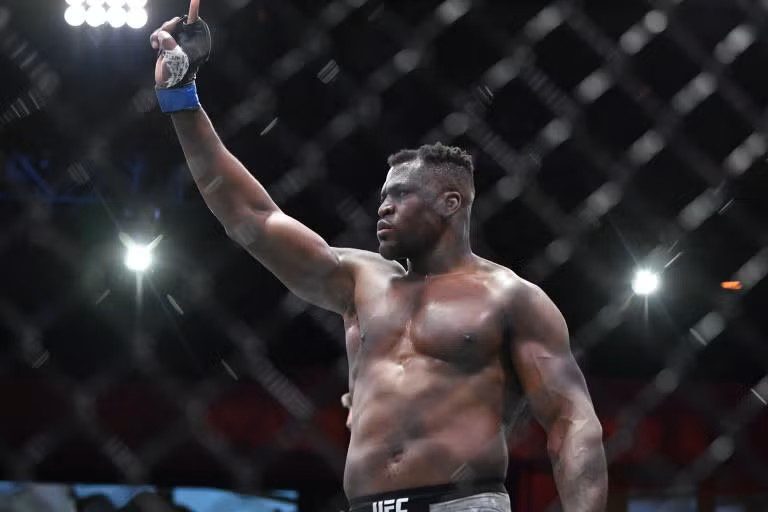
- Francis Ngannou earned $1.5 million
- Gina Carano earned $1.05 million
- Nate Diaz earned $500,000
- Mike Perry earned $400,000
Those numbers are massive by MMA standards.
In comparison, even established UFC contenders often make significantly less in disclosed pay. At UFC Fight Night Arnold Allen reportedly earned around $325,000, similar to what he earned for his main event against Max Holloway. Meanwhile his opponent, Melquizael Costa, was probably closer to the $100,000 range.
Even ranked UFC fighters can sometimes earn less than MVP prelim fighters once you compare guaranteed money.
MVP’s guaranteed pay was significantly higher on the low end
The most eye-catching detail from the Netflix card was the minimum salary. MVP guaranteed every fighter at least $40,000, regardless of whether they won or lost. There were also reportedly no win bonuses attached to the contracts. That alone immediately separated the event from a typical UFC Fight Night card.
For comparison, many UFC newcomers still begin their careers on the traditional “12 and 12” contract structure: $12,000 to show and another $12,000 to win.
That means a losing fighter could leave with just $12,000 before taxes, gym fees, coaches, management percentages, travel costs, and training expenses.
But the UFC model works differently
This is where the comparison becomes tricky. The UFC does not usually build events around huge guaranteed contracts for everyone. Instead, the promotion focuses on long-term roster development and additional earning opportunities.
Top UFC fighters can also receive:
- Pay-per-view points
- Performance bonuses
- Locker room bonuses
- Venum sponsorship pay
- Outside sponsorship opportunities
- Multiple fights per year
- Massive global exposure
That means a superstar like Jon Jones or Conor McGregor may ultimately earn far more overall than the disclosed purse alone suggests.
MVP’s model looked closer to boxing. Big names received huge guarantees upfront, while the event itself relied heavily on celebrity power and crossover appeal.
Francis Ngannou may have proven a point
The most important fighter in this entire discussion may be Francis Ngannou. Ngannou left the UFC largely because of disagreements surrounding fighter pay, sponsorship freedom, and contract restrictions. Since leaving, he has earned gigantic boxing purses and now secured another seven-figure payday on MVP’s Netflix debut.
That changes how fighters view leverage. For years, the UFC was considered the only realistic place to earn elite MMA money. MVP’s “test run” showed that alternative promotions backed by major streaming platforms can now compete financially, at least for high-profile names.
UFC has the ability to build stars
While MVP MMA, on a seemingly unlimited budget, was able to pay its top stars generous amounts, it lacks one thing that the UFC has: the ability to build stars.
The UFC is one of the toughest competitions in the world, and it rarely gives its fighters build up fights. Fighters are usually matched up against talent of a similar level. And by the time they have a win streak or reached the rankings, they are already stars in their own right.
So, for now, any unknown fighter wishing to create a name and reputation for themselves will have to go the UFC route.
While we saw French prospect Salahdine Parnasse impress in his MVP MMA debut, it is not sure if this win this elevates his stock much. After all, in order to build star power in MMA, you also need a roster of named opponents. And MVP MMA does not have much of a roster, yet.
So who really pays better?
If we are talking about guaranteed money, especially for prelim fighters, MVP clearly won this comparison.
A minimum purse of $40,000 across the board looks extremely generous compared to UFC entry-level contracts that still hover around 12 and 12.
But that is just the low end. As soon as a fighter starts building a brand, he can get sponsors, and the UFC also offers undisclosed bonusses, on top of performance bonuses.
So, if we are talking about long-term opportunities, consistency, championship pathways, and total earning potential for elite champions, the UFC still holds major advantages.
Summary:
- On the low end, MVP MMA paid its fighters significantly more: $40.000 guaranteed versus just $12.000 + $12.000 in the UFC.
- The top stars like Rousey, Carano and Ngannou also earned similar to what UFC stars earn.
- But MVP cannot match UFC in terms of potential earnings from sponsorships, name recognition and star building. At least, not yet.